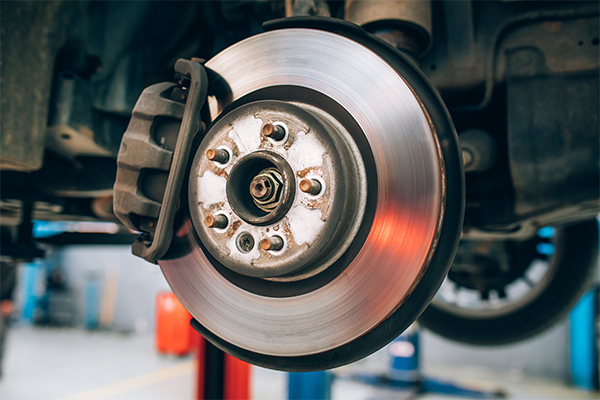
When it comes to brake repairs, many drivers hear terms like “brake pads” and “rotors” but aren’t always sure what they mean or why both matter. Understanding the difference between brake pads and rotors can help Sacramento drivers make informed decisions, avoid unnecessary repairs, and stay safe on the road.
How Your Braking System Works
Your braking system is designed to slow and stop your vehicle by creating friction. When you press the brake pedal, hydraulic pressure forces the brake pads to clamp down on the rotors. This friction converts motion into heat, slowing the wheels and bringing your car to a stop.
Because this process happens every time you brake, both pads and rotors are wear components. However, they wear at different rates and serve different roles in the system.
What Are Brake Pads?
Brake pads are the friction material that presses directly against the rotors. They are designed to wear down gradually over time. This controlled wear protects other braking components and allows for predictable stopping performance.
Most vehicles use one of three types of brake pads:
- Organic pads, which are quieter but wear faster
- Semi-metallic pads, which offer strong stopping power but produce more noise
- Ceramic pads, which last longer and create less dust but cost more
In Sacramento’s stop-and-go traffic, brake pads tend to wear more quickly due to frequent braking, especially during commuting hours.
What Are Brake Rotors?
Brake rotors are the smooth metal discs attached to your wheels. When brake pads clamp down on them, the friction slows the wheel’s rotation. Rotors are built to withstand high heat, but over time they can wear down, warp, or develop surface damage.
Rotors typically last longer than brake pads, but they are not permanent. Heat buildup, sudden stops, and driving through water after heavy braking can cause warping or cracking.
Signs Your Brake Pads Need Replacement
Worn brake pads usually provide clear warning signs. These include squealing or screeching noises, reduced braking responsiveness, or a brake warning light. Grinding noises often indicate the pads are completely worn and metal is contacting the rotor, which can cause significant damage.
Ignoring worn pads can quickly turn a simple brake pad replacement into a more expensive rotor repair.
Signs Your Rotors Need Attention
Rotor issues often present as vibrations or pulsing felt through the brake pedal or steering wheel when braking. This usually indicates warped rotors caused by excessive heat. You may also hear grinding or notice uneven braking.
Driving on damaged rotors reduces braking efficiency and can compromise safety, especially during sudden stops or wet road conditions common in Sacramento’s winter months.
Do Pads and Rotors Always Need to Be Replaced Together?
Not always. In many cases, rotors can be resurfaced or reused if they are within manufacturer specifications. However, if rotors are too thin, warped, or damaged, replacement is necessary.
Installing new brake pads on worn or damaged rotors can reduce pad life and braking performance. A professional inspection determines the safest and most cost-effective option.
Why Timely Brake Service Matters
Your brakes are your vehicle’s most important safety system. Delaying brake service increases stopping distances and raises the risk of accidents. Sacramento drivers frequently encounter sudden stops in traffic, making properly functioning brakes essential.
Routine brake inspections help catch wear early, reducing repair costs and keeping your vehicle safe and responsive.
If your vehicle is making noise, vibrating when braking, or taking longer to stop, it’s time to have your brakes checked. Addressing brake issues early ensures safety, reliability, and peace of mind every time you drive.
Schedule your brake service today and drive with confidence.